
The Mandalorian and Grogu
Easter Candy Vanilla Machta Latte
Sticker 'Em Up!
Why Can't I Think of Anything to Vibe Code?

Hello (and Goodbye) San Fransisco!
Dungeon Crawling with Carl
Uh... Okay?

I Feel Noticed

Screenshot Saturday? 🙂↕️ Screenshot Saturday.
We Are Here [====| ] on the Path to Authoritarianism
Whither to Archive or Delete?
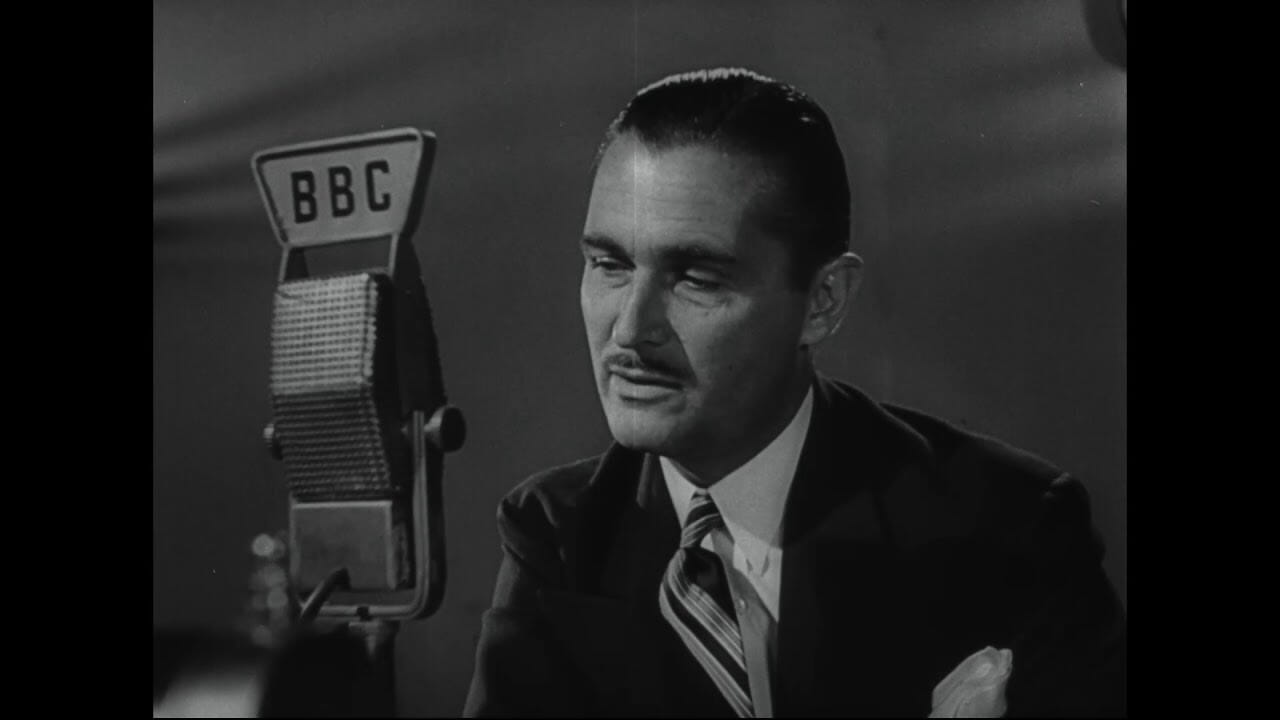
Don't Be a Sucker
Rules for Thee, None for Me
NPM is a Joke, a Bad One at That
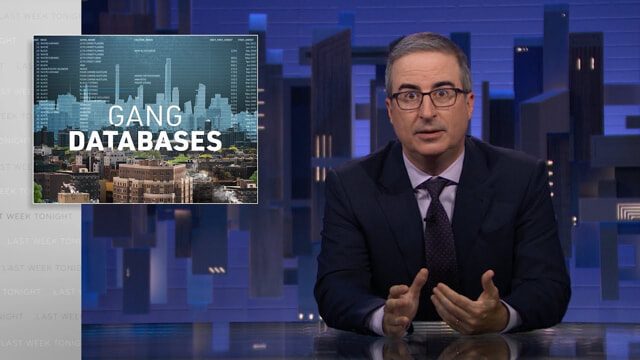
Last Week, Tonight with John Oliver: Gangs
Managing Software Licenses

Dog Walk is ADORABLE
Trying out Task
I Feel a Little Called Out Here
Stay Out of my (Project) $HOME

Project: Hail Mary

The Cake Bake Shop
You are a horrible person
On: "The Emacs devotee walks through an ever-expanding mansion whose rooms rearrange themselves to their thoughts."
ChatGPT as Siri
Japan Looks Really Pretty
Won't Someone Think of the Children? Not if You're in a Red State.
Ever Wanted to Unbind macOS Keybindings in Emacs?
I Like Finder Tabs
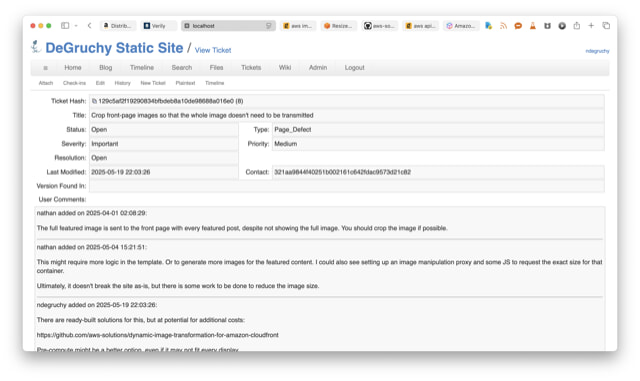
I Love Fossil
'Never Meet Your Heroes'
Andor is the Best Star Wars of All Time

Hot Caturday

Right in the Feels
Florida Forces Abstinence-based Sexual Education
Shortcut to Bookmarking
Watch the Earth Move in Myanmar Earthquake
New Host, Who Dis?
The Hate in my Heart
New Pope. Less Friendly as Old Pope
Disney is Building a new Park in Abu Dhabi
Sometimes, AI Does Drugs

Late Caturday
No More Care to Give
Sometimes, I Feel Defective
Apple's Terminal.app Has a Neat Feature
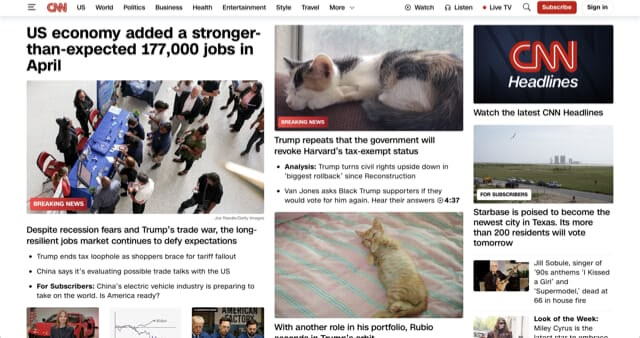
MAKA
Always BeOrg-anizing
What. The. Fuck.
Satya Nadella: 'The Internet Was Born on Windows' 🙄
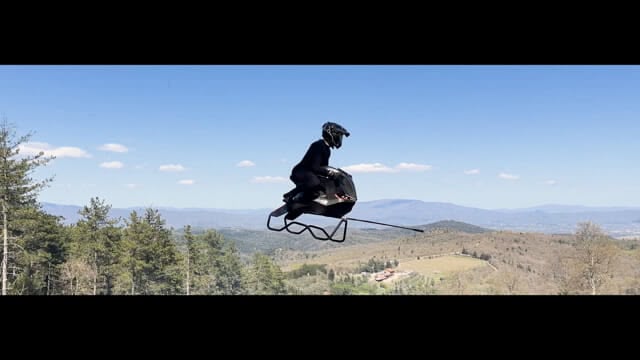
Volonaut Airbike
No one cares

macOS Runs iOS Apps

Thai Coffee
Goodbye, Fosstodon
Sunday Support
Backblaze B2 Isn't Looking so Hot
At first, they came for the Palenstine protestors...
Palantir and The US Government

Oblivion Remake Released

Retrobatch Helper

Kagi is Really Great

Hashtag: CaturdayGoals
J.K. Rowling is a Bitter Troll
New Hugo Post and Folder Hammerspoon
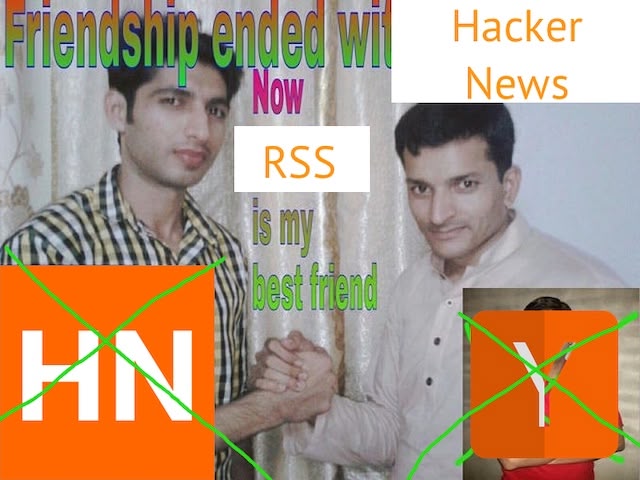
I Never Thought I'd Actually Use This Meme
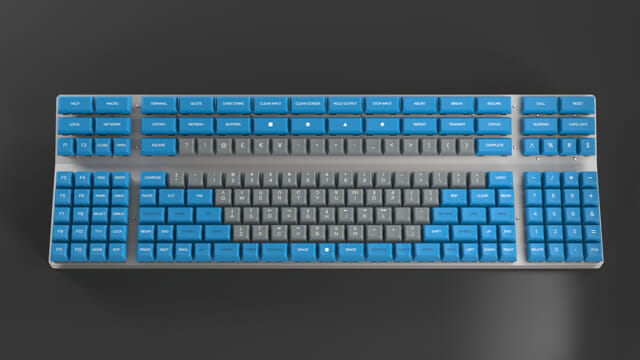
Plain Hyper Key
It's a Terrible Day for Reading
TIL: There are Religious and Political Investment Portfolios
Looks Like Trump Finally got Around to Watching Parks and Rec
Re: Google is Winning on Every AI Front
Caffeinate via Hammerspoon
The Mutable OS
The Manual Method
A Minecraft Movie: A Movie to be Sure
Hammer. Spoon... Lua?
Aliases and Abbreviations
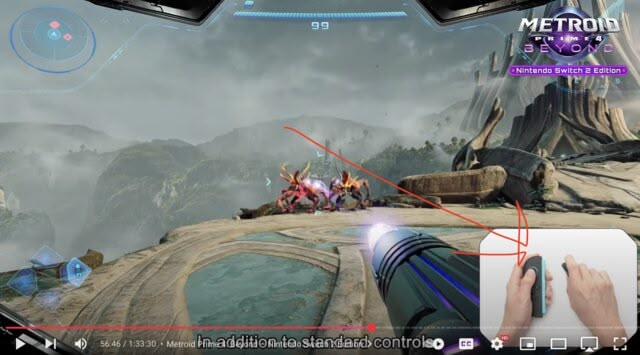
The Only Switch 2 Announcement That I Care About